

Let's be honest, we've all been there. You've poured your heart into creating an amazing training program, rolled it out with enthusiasm, and then… crickets when it comes to proving its impact. Your boss asks, "So, did the training work?" and you're left scrambling with completion rates and smiley-face satisfaction surveys.
Sound familiar? You're not alone. Most L&D professionals struggle to move beyond basic metrics and demonstrate the real business value of their programs. But here's the good news: with the right analytics approach, you can transform from someone who "just runs training" to a strategic partner who proves measurable impact.
Why Traditional Metrics Fall Short
Before we dive into the good stuff, let's acknowledge the elephant in the room. Those completion rates and satisfaction surveys? They're not telling you what you really need to know.
Sure, it's great that 87% of employees completed your customer service training. But did they actually learn anything? Are they applying those skills on the job? Is customer satisfaction improving as a result? These are the questions that keep executives awake at night: and the ones your current metrics probably can't answer.

The problem with surface-level metrics is they measure activity, not impact. They tell you what happened during training, not what changed because of it. And in today's business climate, where every dollar needs to be justified, that's simply not enough.
The Analytics Framework That Actually Works
Here's where learning analytics comes to the rescue. Think of it as your data detective toolkit: it helps you collect, measure, and analyze information about your learners to understand what's really happening and optimize your programs accordingly.
The key is building a comprehensive framework that captures the full learning journey, from initial engagement through long-term business impact. This isn't about drowning in data: it's about focusing on the metrics that actually matter for proving your training's worth.
Essential Metrics Every L&D Pro Should Track
Engagement Indicators That Predict Success
Course Enrollment Success Rate: This is your first clue about program appeal. If only 40% of eligible employees are enrolling, you might have a marketing problem: or your content isn't addressing real workplace challenges.
Time-to-Competency: This is pure gold for proving value. Track how quickly employees become proficient in new skills after training. When you can show that your onboarding program reduces time-to-productivity from 6 months to 3 months, you're speaking the CFO's language.
Engagement Depth: Move beyond simple completion rates. Look at time spent on activities, participation in discussions, and return visits to content. High engagement often correlates with better knowledge retention and application.
Performance Metrics That Show Real Impact

Knowledge Retention Over Time: Testing immediately after training is fine, but what about 30, 60, or 90 days later? Spaced testing reveals whether your training creates lasting change or just temporary awareness.
Behavioral Change Indicators: This is where the Kirkpatrick model's Level 3 comes into play. Are employees actually applying what they learned? Look for changes in performance metrics, customer feedback, or observable behaviors on the job.
Business Outcome Correlation: Connect your training directly to business results. Did sales increase after product training? Did safety incidents decrease after compliance training? These connections are your strongest evidence.
Cost-Effectiveness Calculations
Cost Per Learning Hour: Calculate both the cost per available learning hour and cost per consumed learning hour. The gap between these numbers reveals your utilization rate and helps optimize resource allocation.
ROI Measurement: This requires tracking both the cost of training and the quantifiable benefits it produces. It's not always easy, but it's absolutely necessary for proving worth to leadership.
Building Your Analytics Dashboard
Creating an effective L&D dashboard doesn't have to be overwhelming. Start with these ten fundamental metrics that provide a comprehensive view of your programs:
- Audience Reach: How many people can access your training?
- Completion Ratio: Who's following through?
- Average Learning Hours Per Employee: How much are people actually learning?
- Average Rating Scores: What do learners think?
- Percentage Past Due: Who's falling behind on required training?
- Average Cost Metrics: What's your efficiency looking like?
- Content Utilization: Which resources are actually being used?
- Assessment Performance: Are people understanding the material?
- Drop-off Points: Where do learners typically disengage?
- Application Tracking: How are skills being used on the job?

Moving From Data Collection to Actionable Insights
Having metrics is one thing: using them strategically is another. Here's how to turn your data into compelling proof of training value:
Identify Patterns and Trends
Look for connections between engagement patterns and performance outcomes. Maybe employees who spend more time on interactive elements show better skill application. Or perhaps those who complete training in smaller chunks retain information longer. These insights help you optimize future programs while proving current ones work.
Create Compelling Narratives
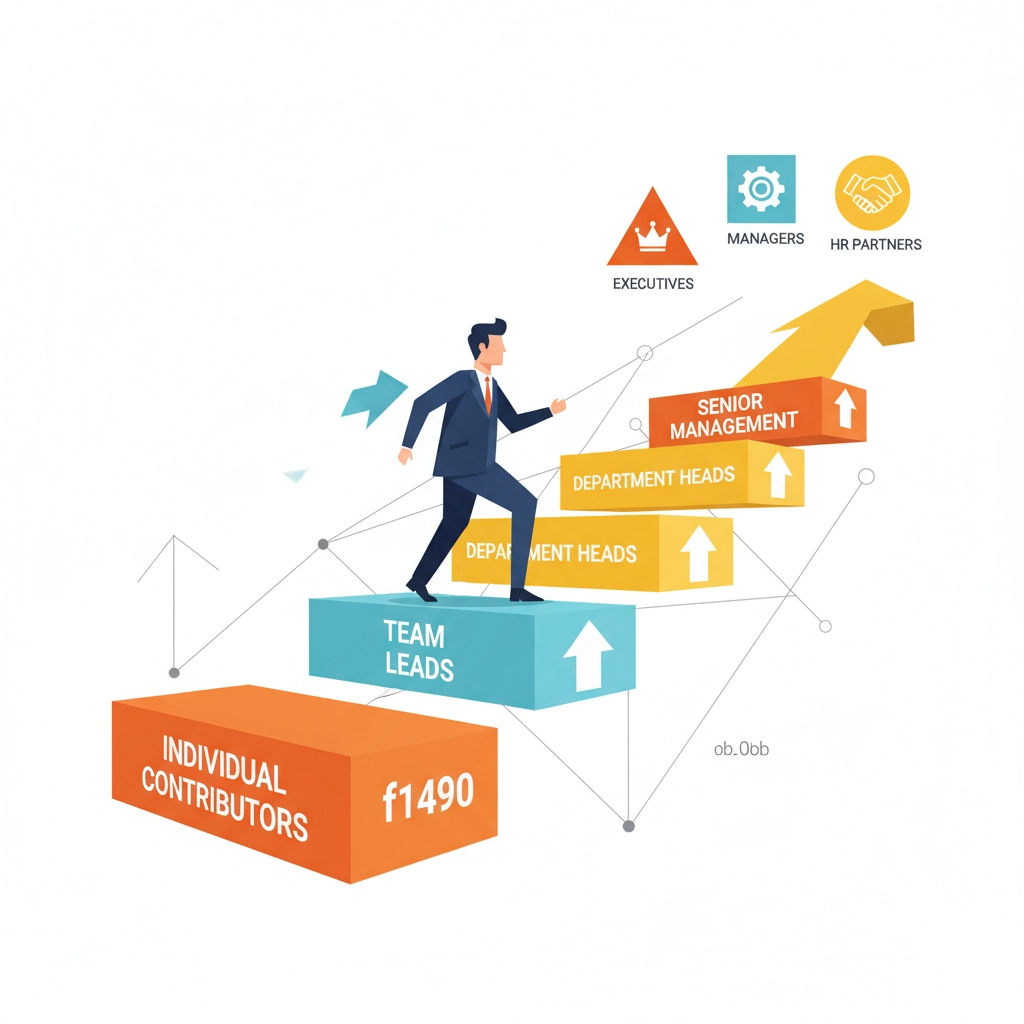
Numbers alone don't tell stories: you do. Transform your analytics into narratives that resonate with different stakeholders. For executives, focus on business impact and ROI. For managers, highlight productivity improvements and reduced supervision needs. For HR partners, emphasize employee engagement and retention benefits.
Benchmark and Compare
Internal comparisons are valuable, but external benchmarks add context. How do your completion rates compare to industry standards? Are your engagement metrics above or below average? This perspective helps frame your successes and identify improvement opportunities.
Proving Worth to Different Stakeholders
Speaking the Executive Language
C-suite leaders care about bottom-line impact. Present metrics that connect directly to business outcomes: reduced turnover costs, increased productivity, improved customer satisfaction scores, or decreased compliance violations. Show them the financial return on their training investment.
Convincing Middle Management
Department managers want to know how training makes their jobs easier. Focus on metrics like reduced supervision time, fewer errors, faster task completion, or improved team performance. Show them how trained employees become more self-sufficient and effective.
Engaging HR Partners
Human resources professionals appreciate metrics around employee engagement, satisfaction, and retention. Highlight how effective training contributes to positive workplace culture and reduces recruiting costs.
Implementation Strategy: Getting Started Without Overwhelm
Don't try to track everything at once. Start with three to five core metrics that align with your biggest business challenges. Build your analytics capability gradually, adding sophistication as you prove initial value.
Begin with metrics you can easily collect from existing systems: your LMS, performance management tools, or business intelligence platforms. As stakeholders see the value of data-driven insights, you'll likely get support for more advanced analytics tools.
The Future-Ready L&D Professional
In today's data-driven business environment, L&D professionals who master analytics aren't just surviving: they're thriving. They're the ones getting budget increases, executive support, and strategic influence within their organizations.
By moving beyond traditional satisfaction surveys and completion rates, you position yourself as a strategic business partner who understands and delivers measurable value. Your training programs become investments with proven returns, not just cost centers with good intentions.
The tools and techniques exist to prove your training's worth definitively. The question isn't whether you can demonstrate value: it's whether you're ready to step up and do it. Start with the metrics that matter most to your organization, tell compelling data-driven stories, and watch as your role evolves from training coordinator to strategic learning advisor.
Your programs are making a difference. Now you have the roadmap to prove it.